Worth the Splurge · Tokyo
Worth the Splurge
Worth the Splurge
in Tokyo
Updated July 2026
Tokyo has a deep bench of expensive restaurants and not all of them are worth the splurge. These are the ones I'd save room for, the omakase counters, the kaiseki dinners, the nights that made the trip feel bigger. Book weeks ahead.
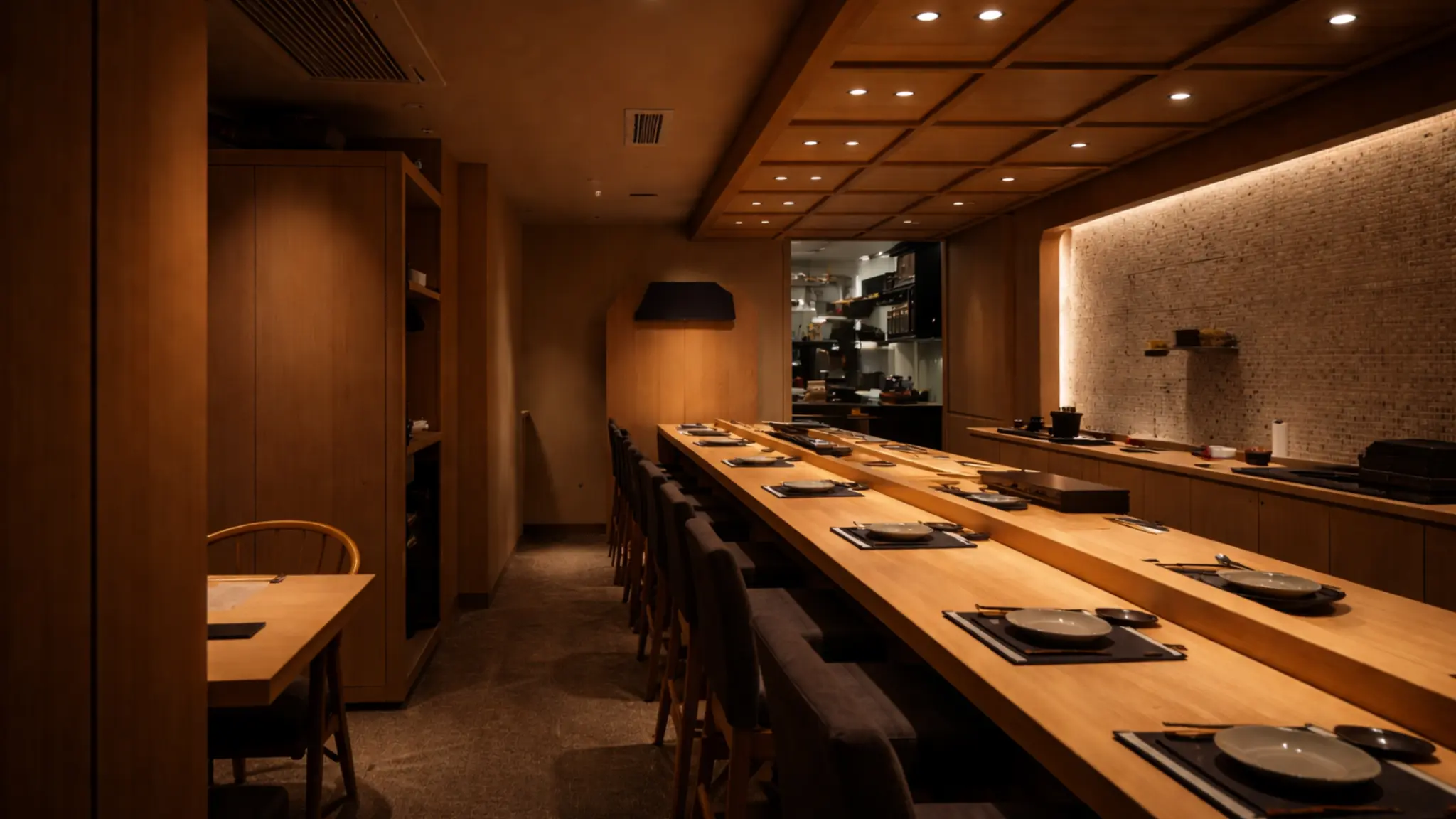
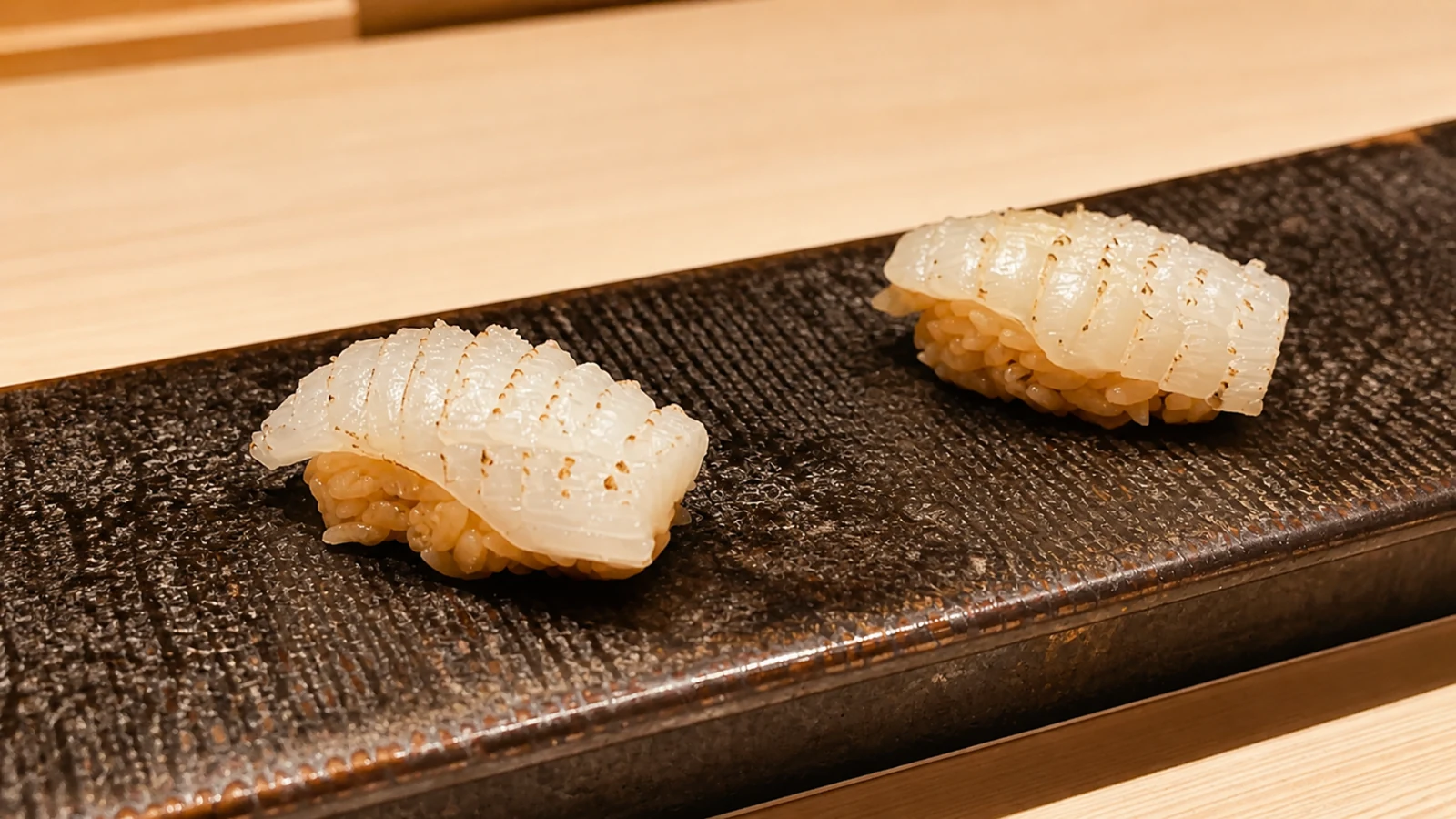
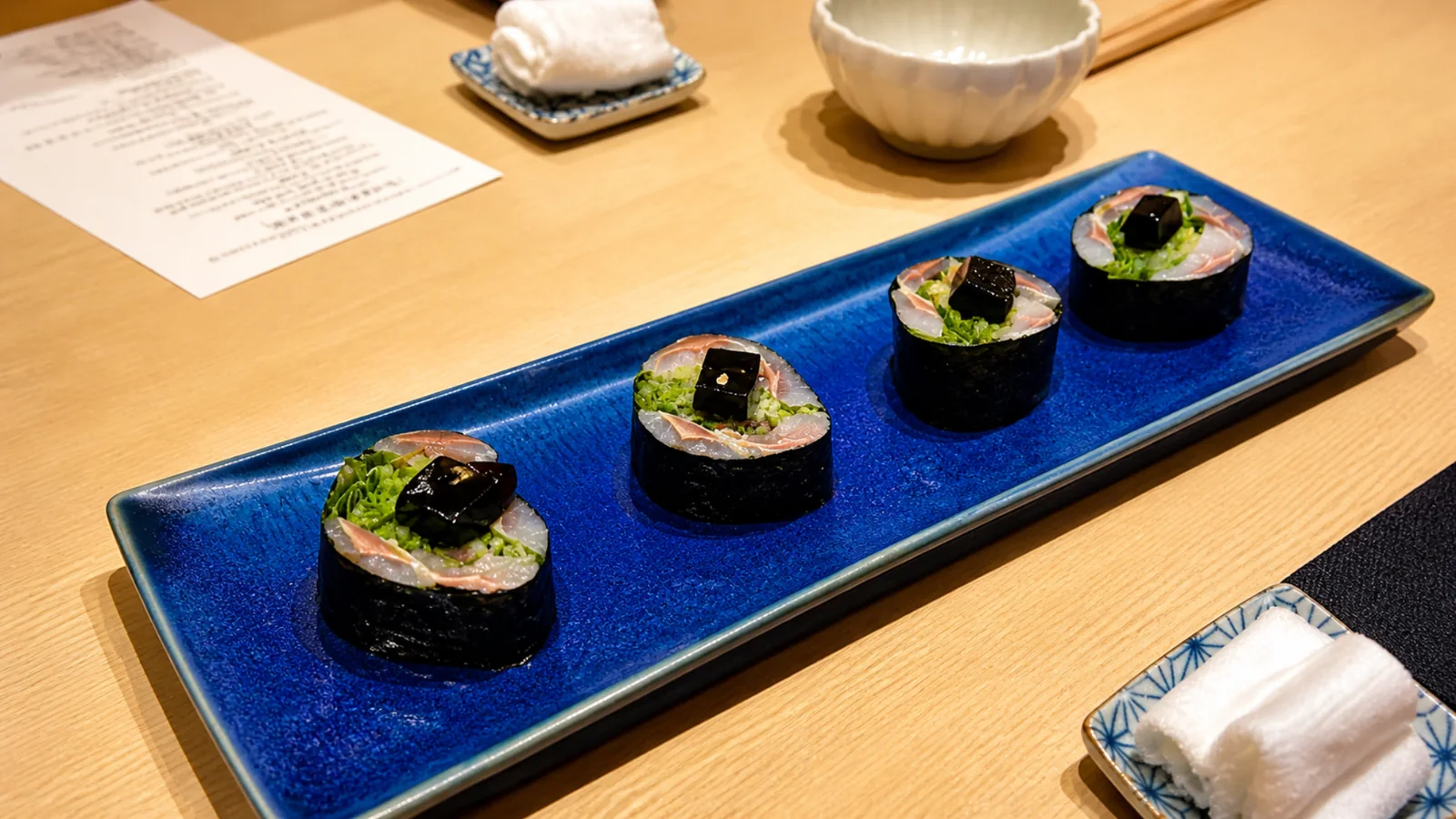
My take: Twenty-two course omakase counter five minutes from Shinjuku Station, underground space, very intimate. Opens with lobster and sea urchin and does not slow down from there. We added the sake pairing that was worth it, and they pour Aramasa, which you will not find at most omakase counters.
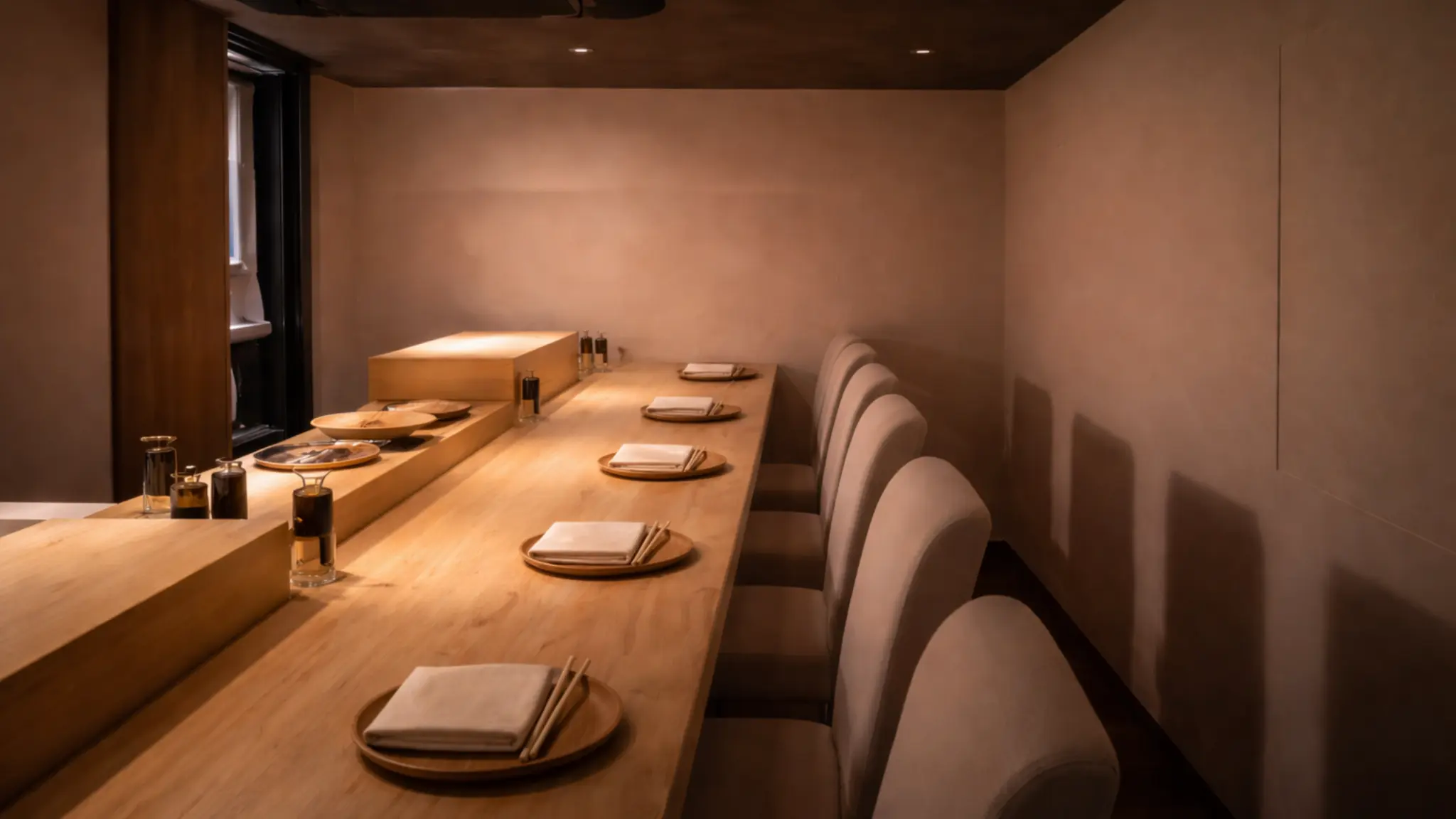
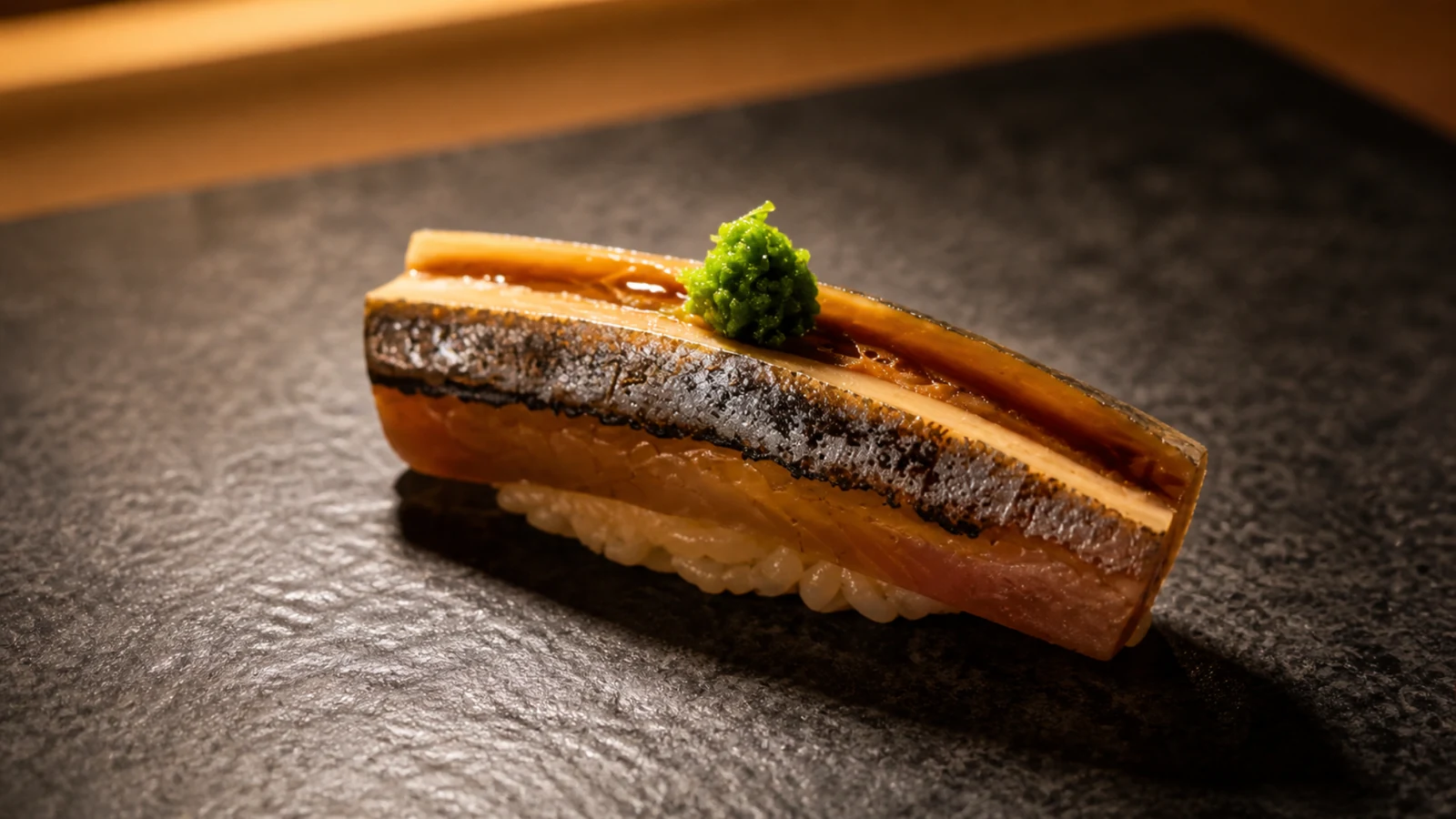
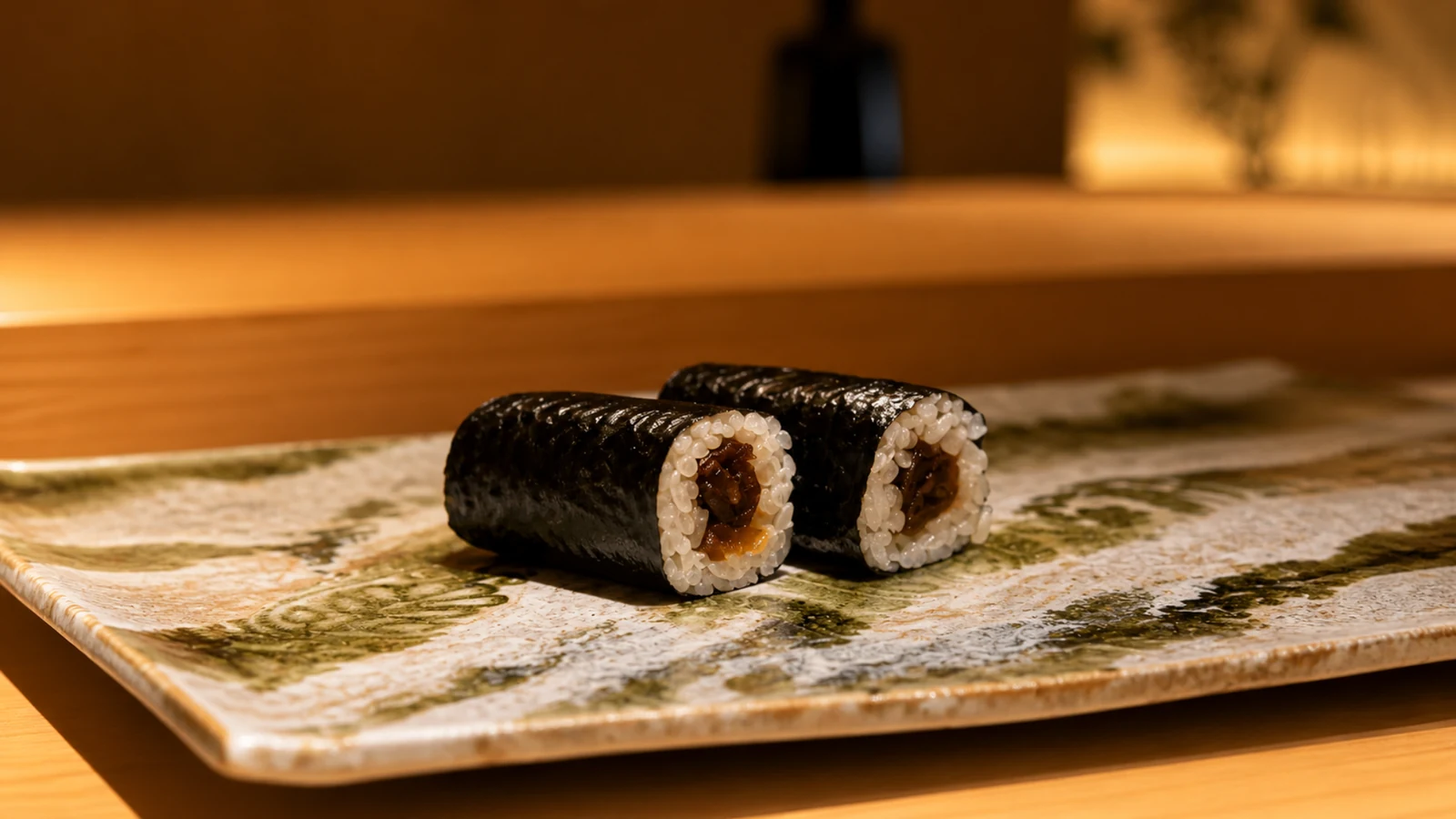
My take: Tiny six seat counter in a back alley of Kagurazaka. The chef sources his tuna from Yamayuki, one of the most respected wholesalers in Japan. Rice temperature and vinegar change with every piece, which makes each bite taste different from the last. Five minute walk from Iidabashi Station. Walk the cobblestone back alleys after, Kakurenbo Yokocho especially, the area gets quiet at night.
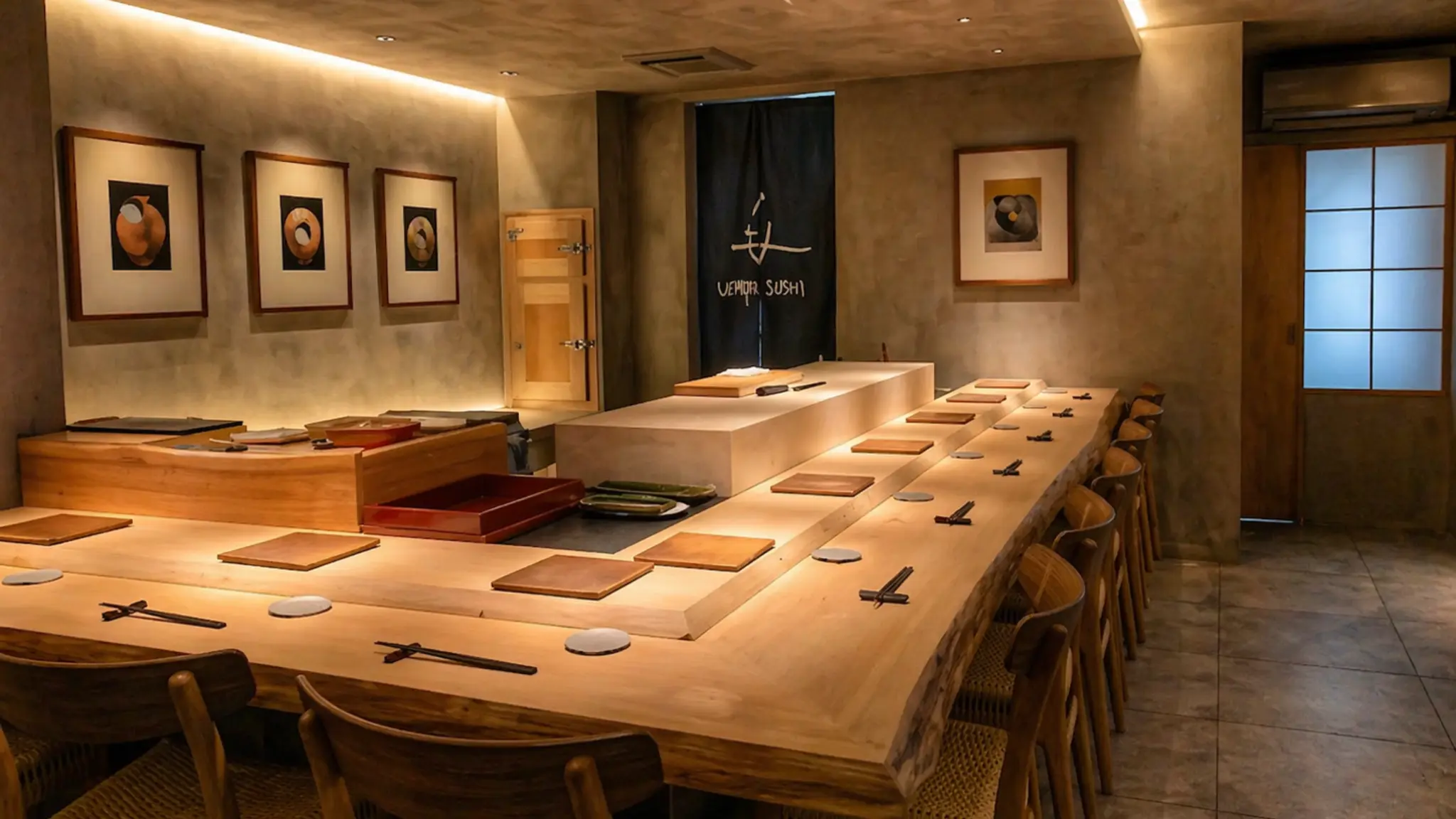
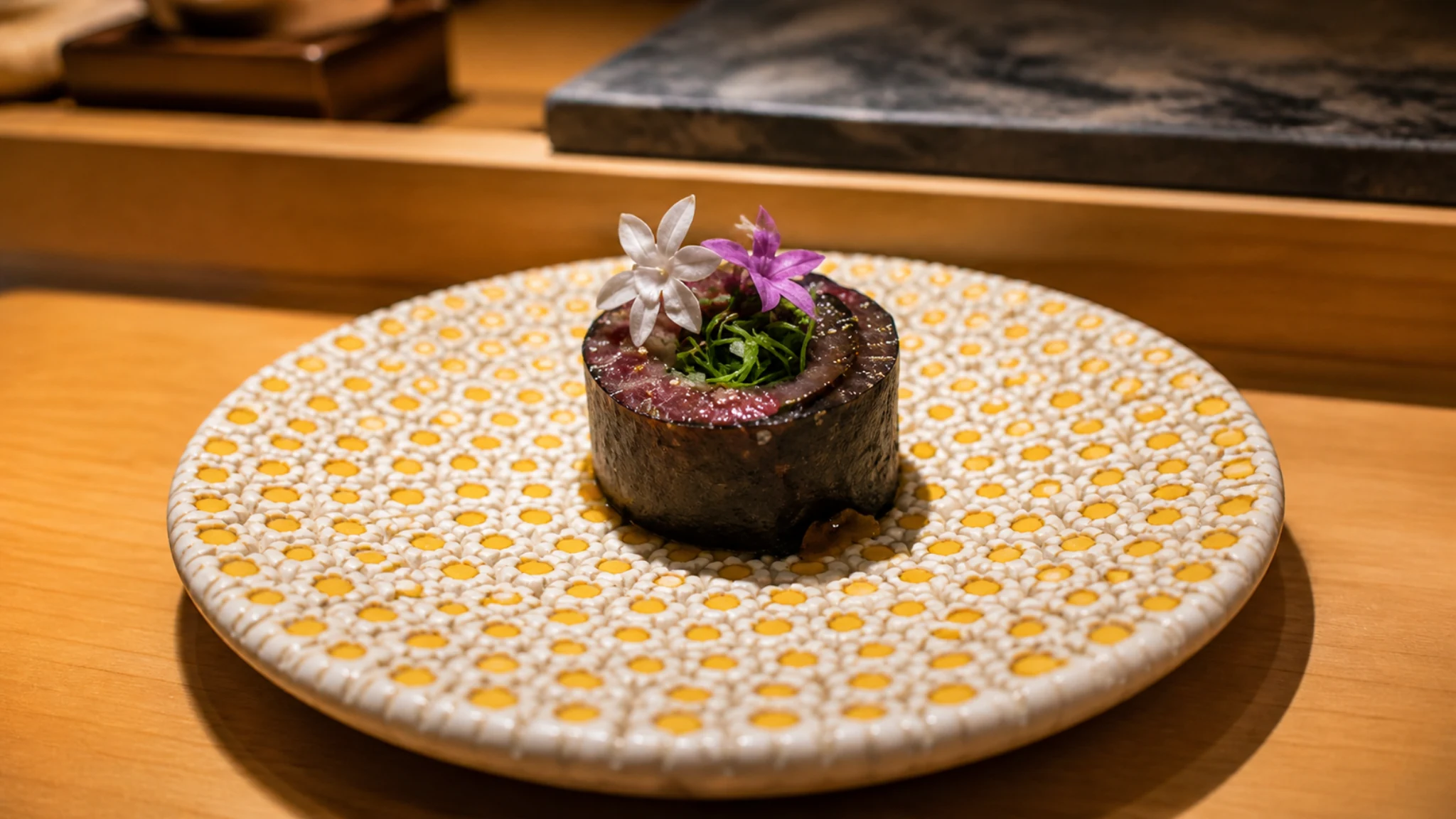
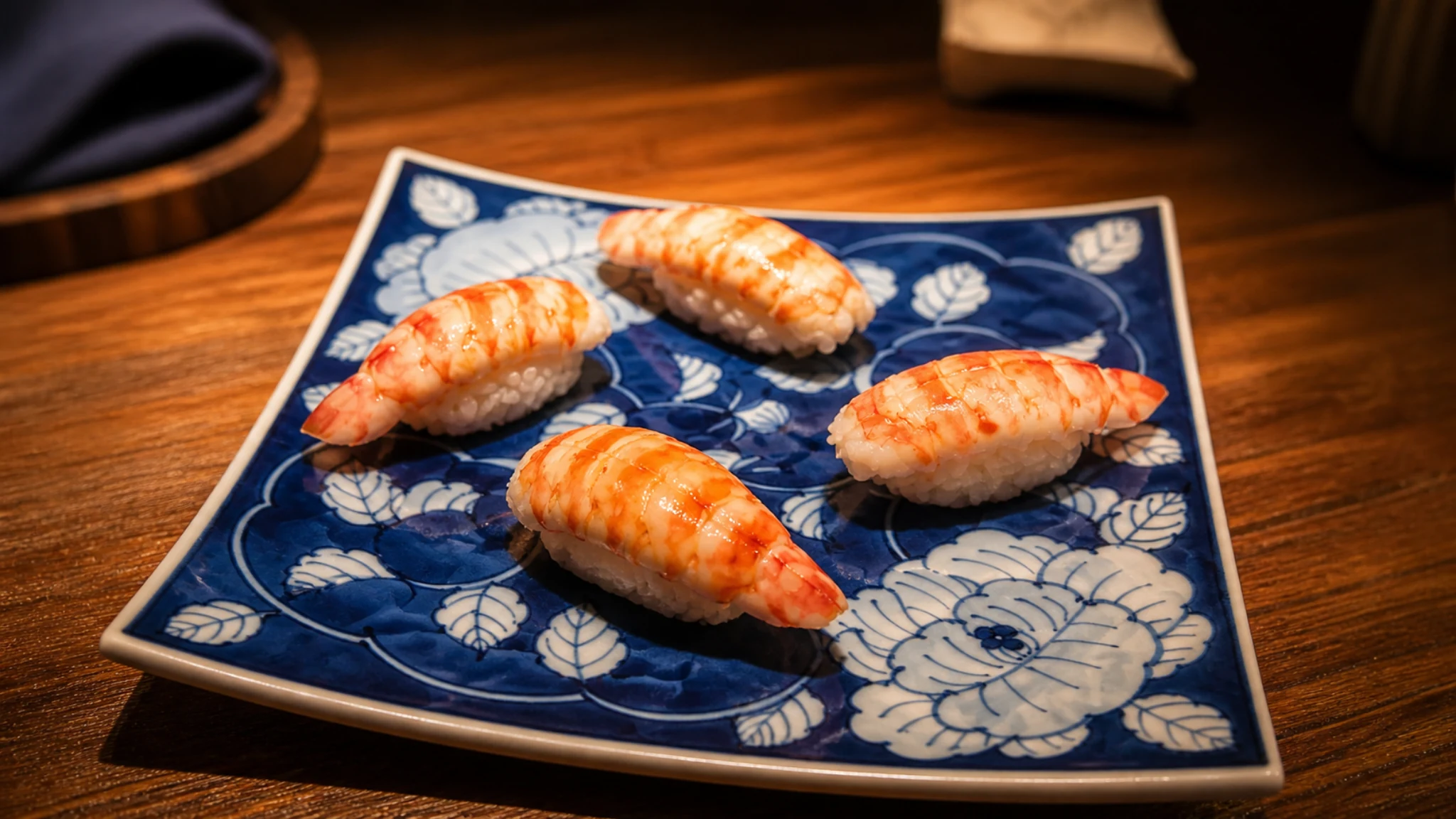
My take: Counter omakase in Nakameguro from a chef who trained at Daisan Harumi. The space is more like a gallery than a sushi bar, concrete walls, art on the walls. About sixteen courses with seasonal ingredients. Get the herb roll too, it is wrapped in shiso and a few other herbs and is the one to know going in. Cross the Meguro River canal after, it runs through Nakameguro and is lit up at night.
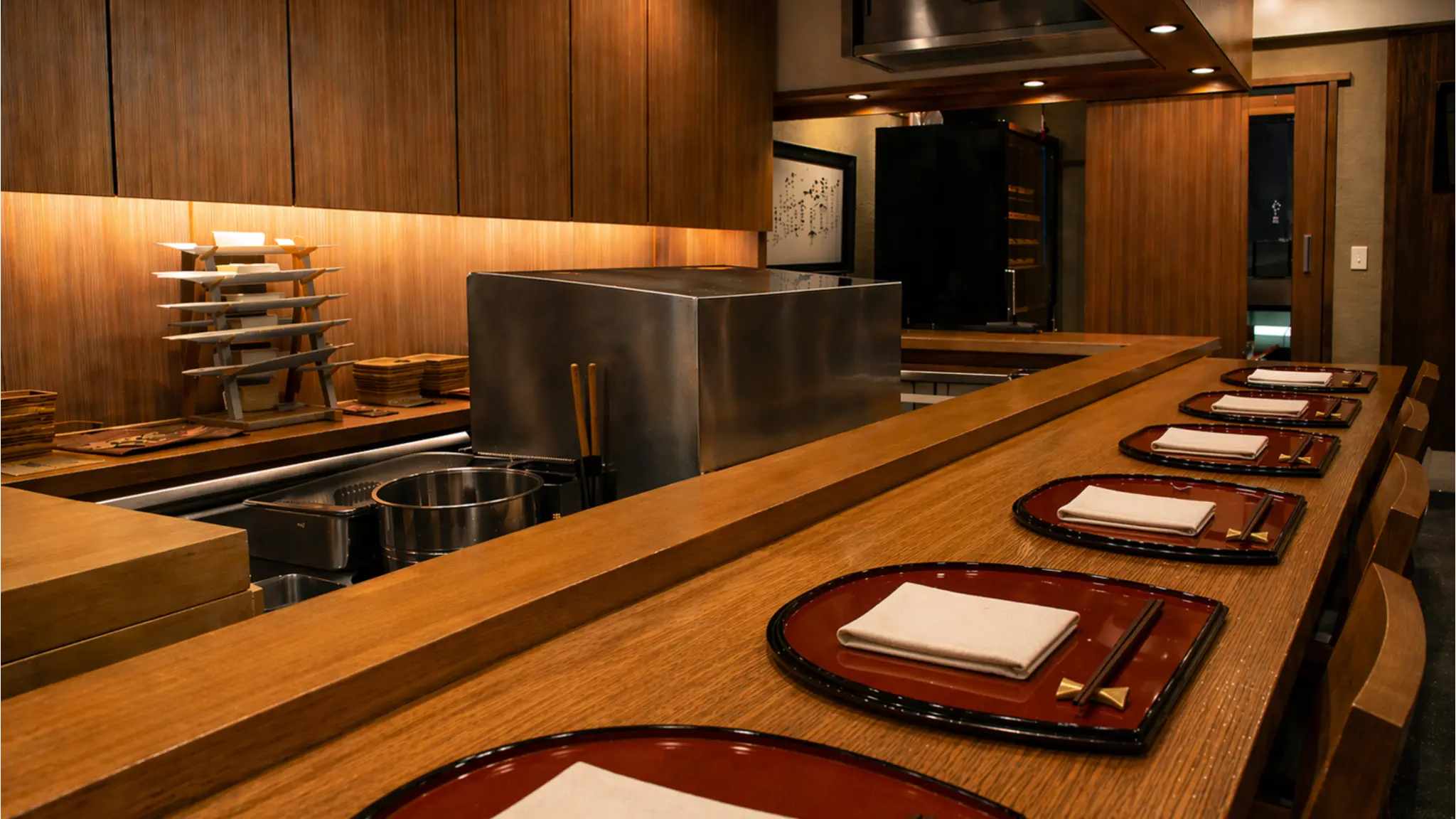
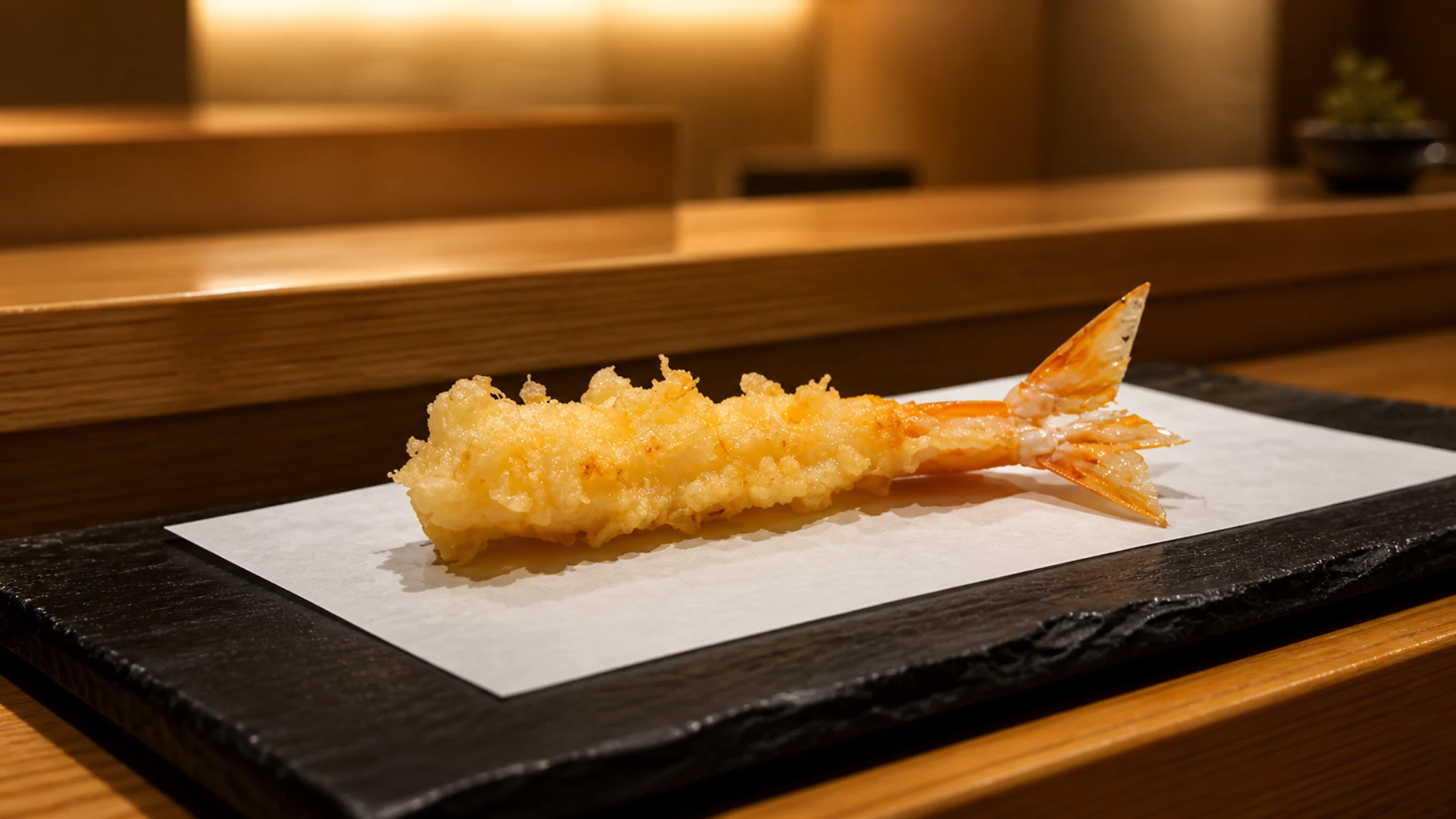
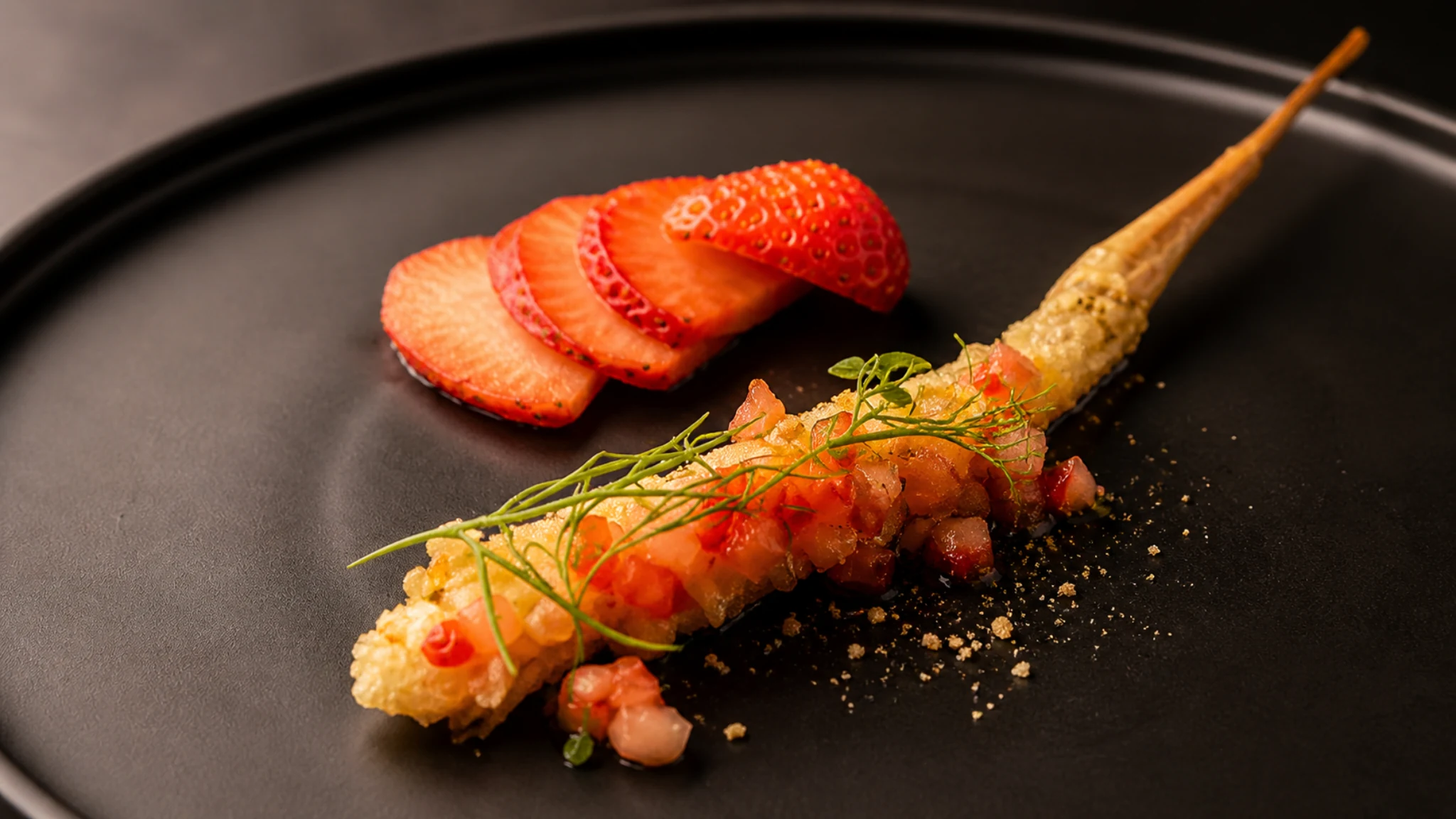
My take: One Michelin star tempura counter in Azabu Juban from Chef Takahiro Ono, who trained at Mikawa Zezankyo. Sesame oil that gets you with the smell before you even taste anything. Each piece comes out one at a time and is timed so you can finish before the next arrives. Around twelve courses, ends with the tempura rice bowl. Azabu Juban is a quiet neighborhood, easy to walk around after dinner.
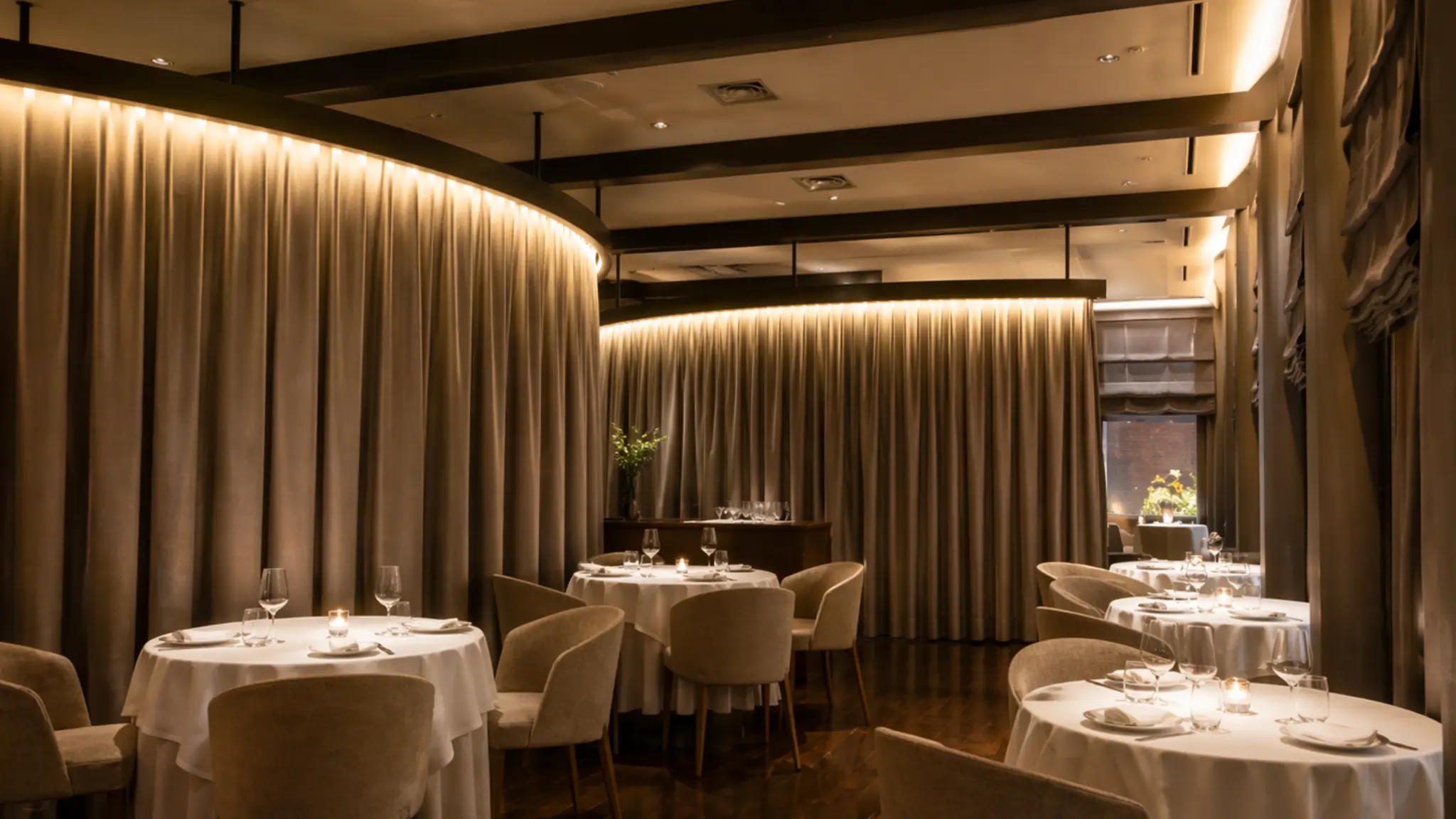
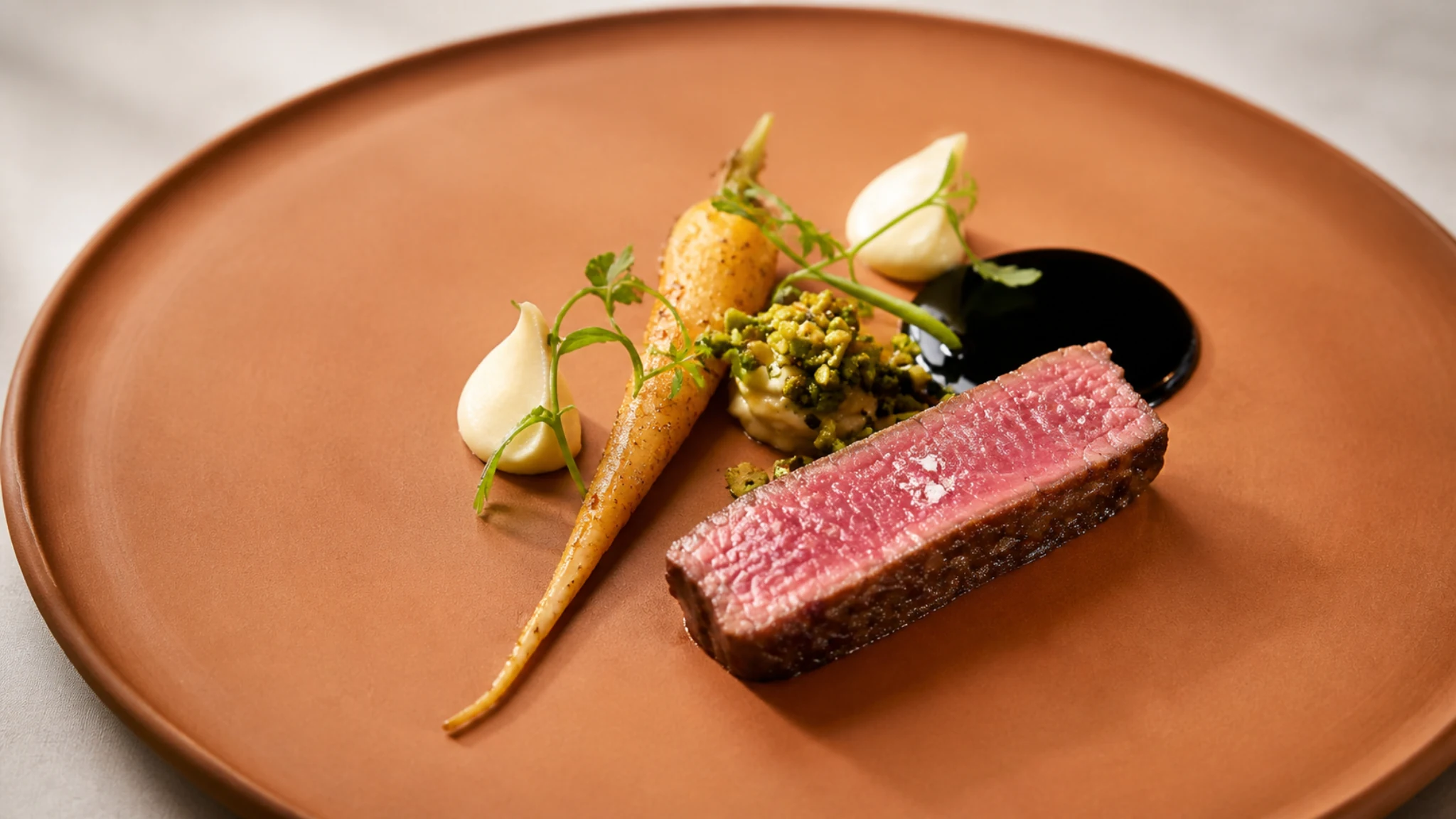
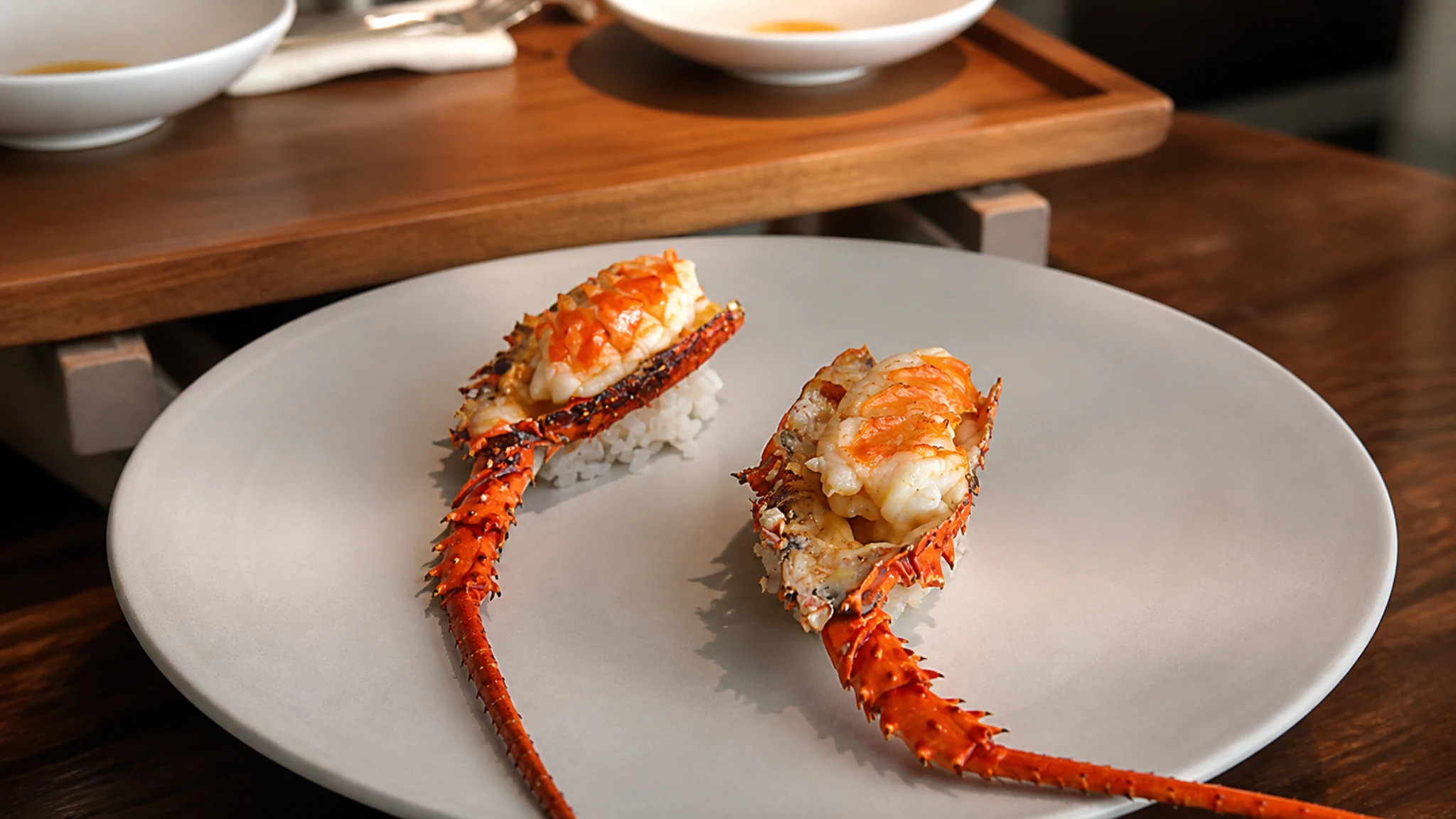
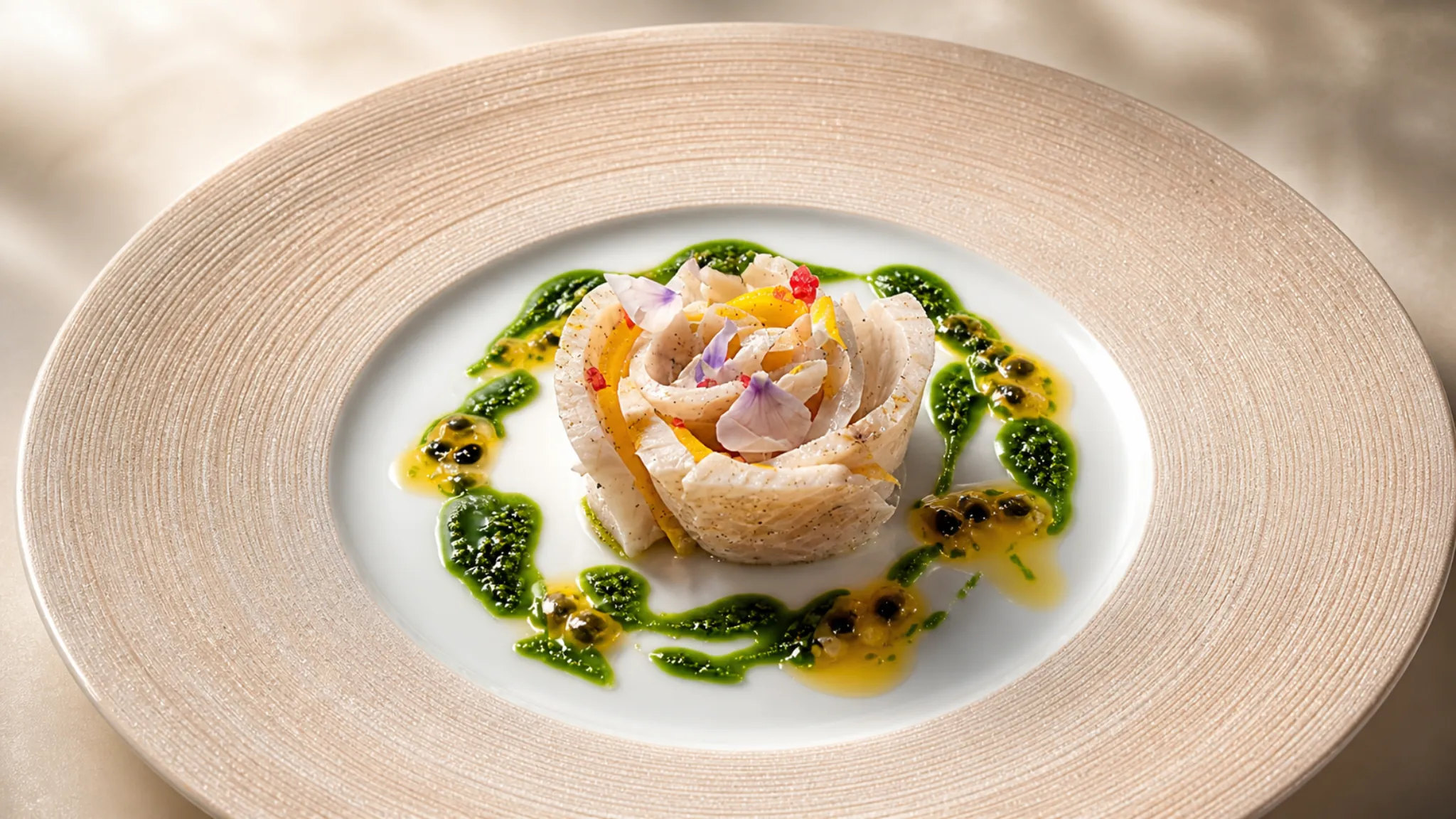
My take: Top floor of the Ginza Belle Vie building with views over the neighborhood, two Michelin stars, French technique with Japanese ingredients. Chef Lionel Beccat builds the tasting menu around what's in season. The wine pairing was beautifully matched. Save room for the cheese course. Ginza is wall-to-wall cocktail bars and clubs at night, an easy walk to whatever is next.
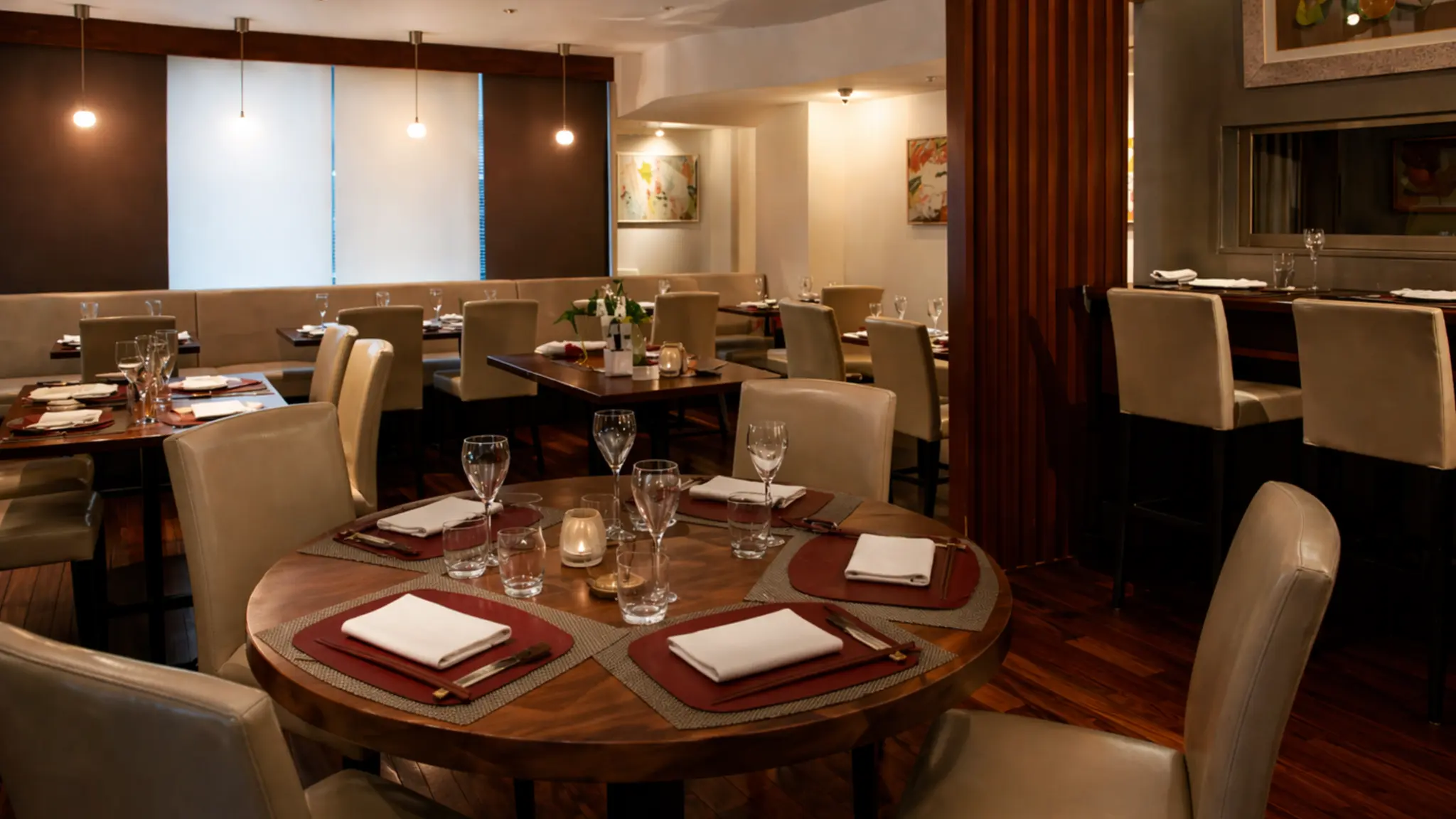
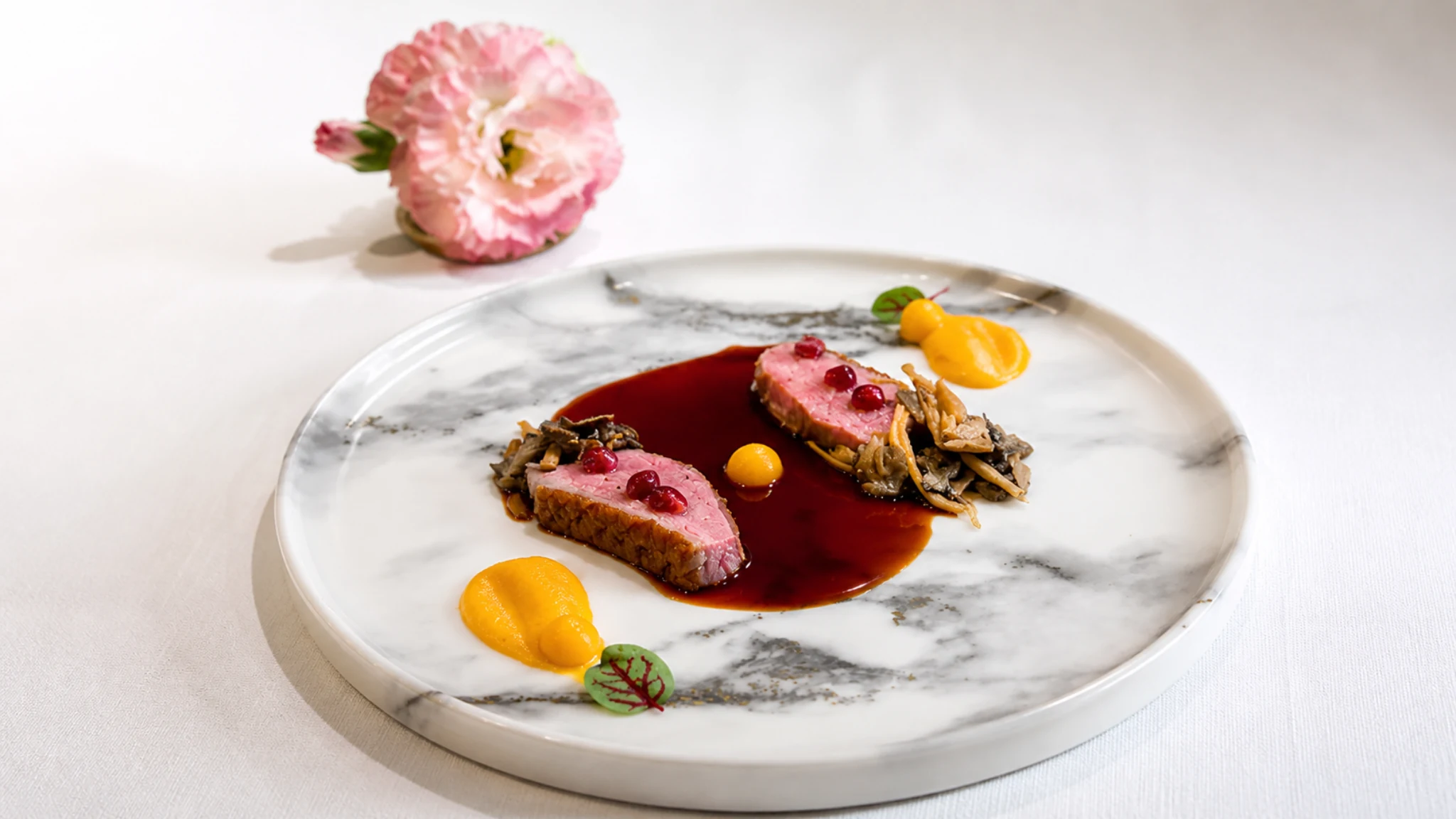
My take: Stumbled into Chez Olivier on a walk through Bancho and ended up back twice more. French bistro with a Japanese hand, escargot with garlic butter, foie gras terrine, the lamb shoulder. Casual room, wine to every table, no Michelin pressure. Walk along the Sotobori moat afterward, especially if cherry blossoms are out, it is one of the better walks in central Tokyo.
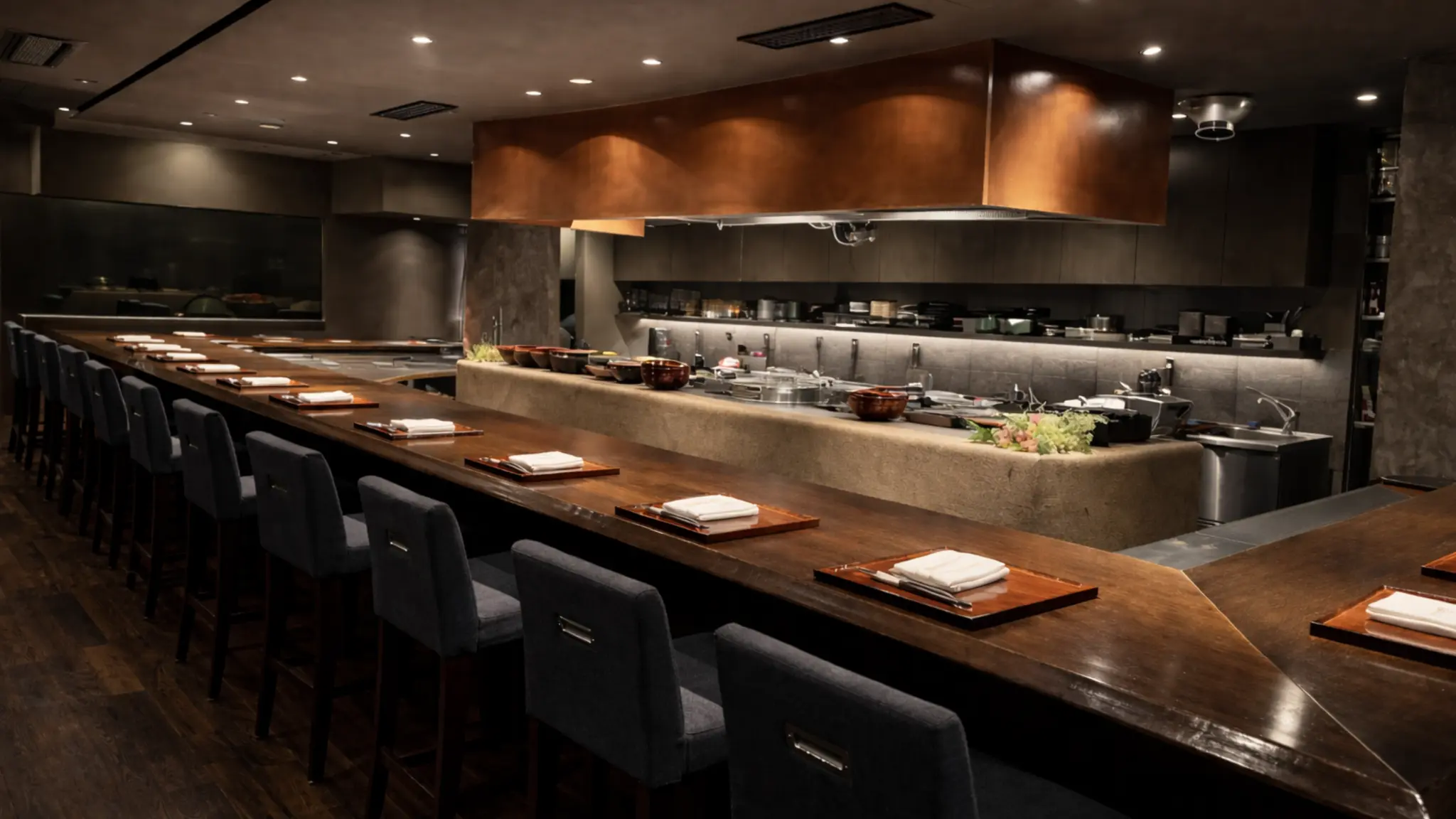
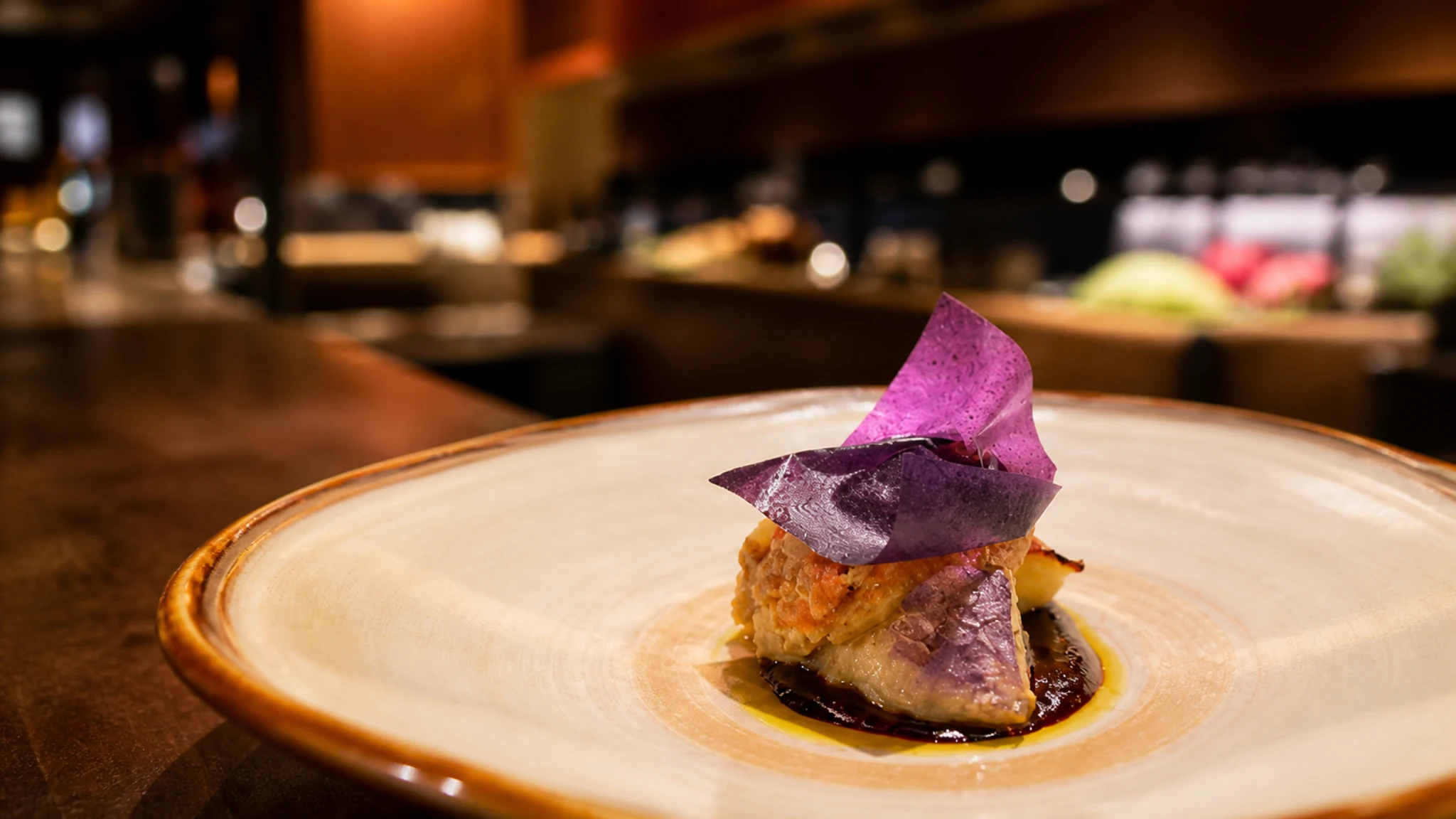
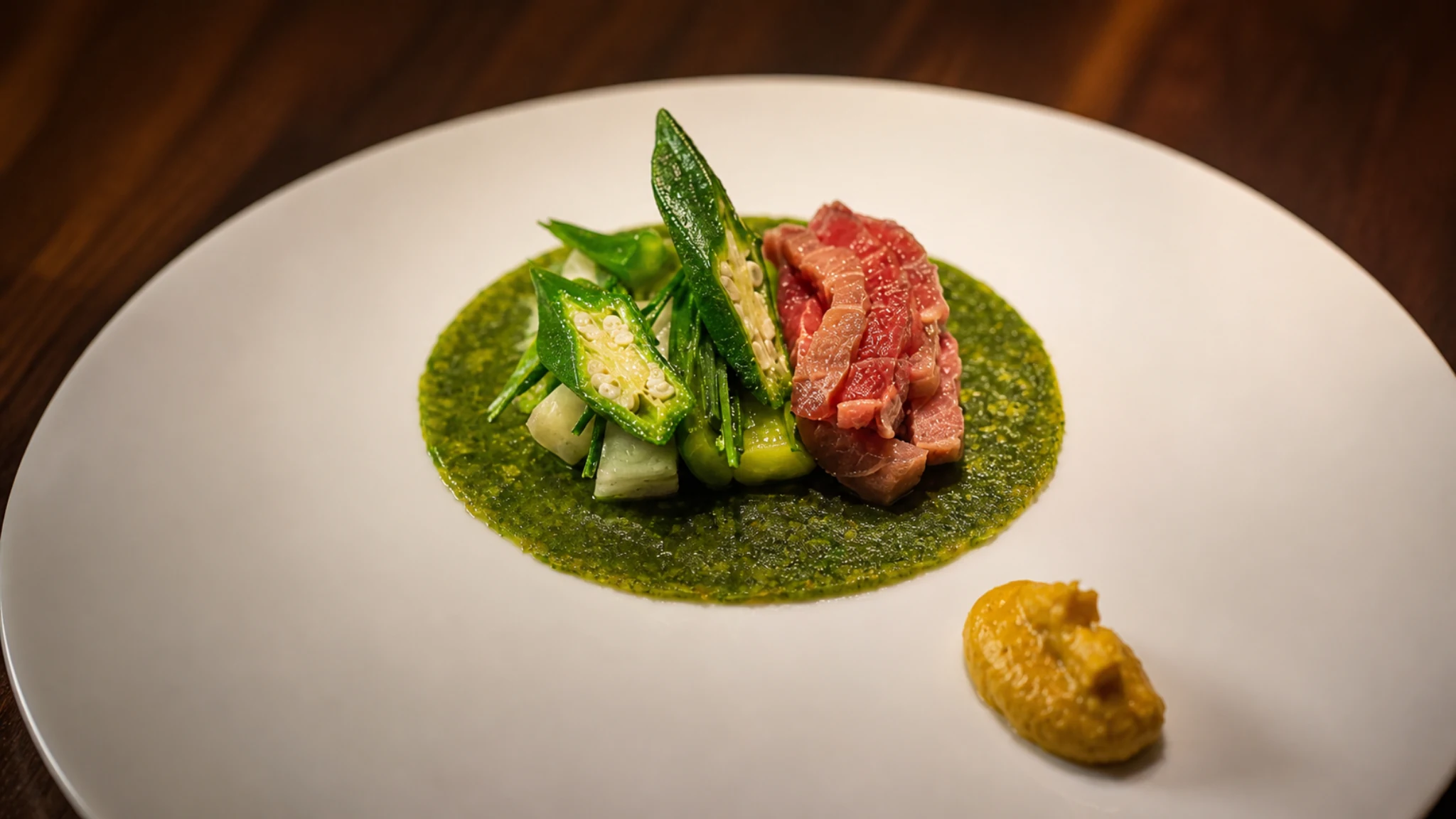
My take: Counter kushiage spot in Roppongi from the team behind Den. Each course is a single skewer, fried in front of you, with a story about why it is on the menu. The smoked egg yolk and the tofu skewer were the highlights. About fifteen courses. We get it now. Roppongi has lots of bars within walking distance if you want to keep the night going.
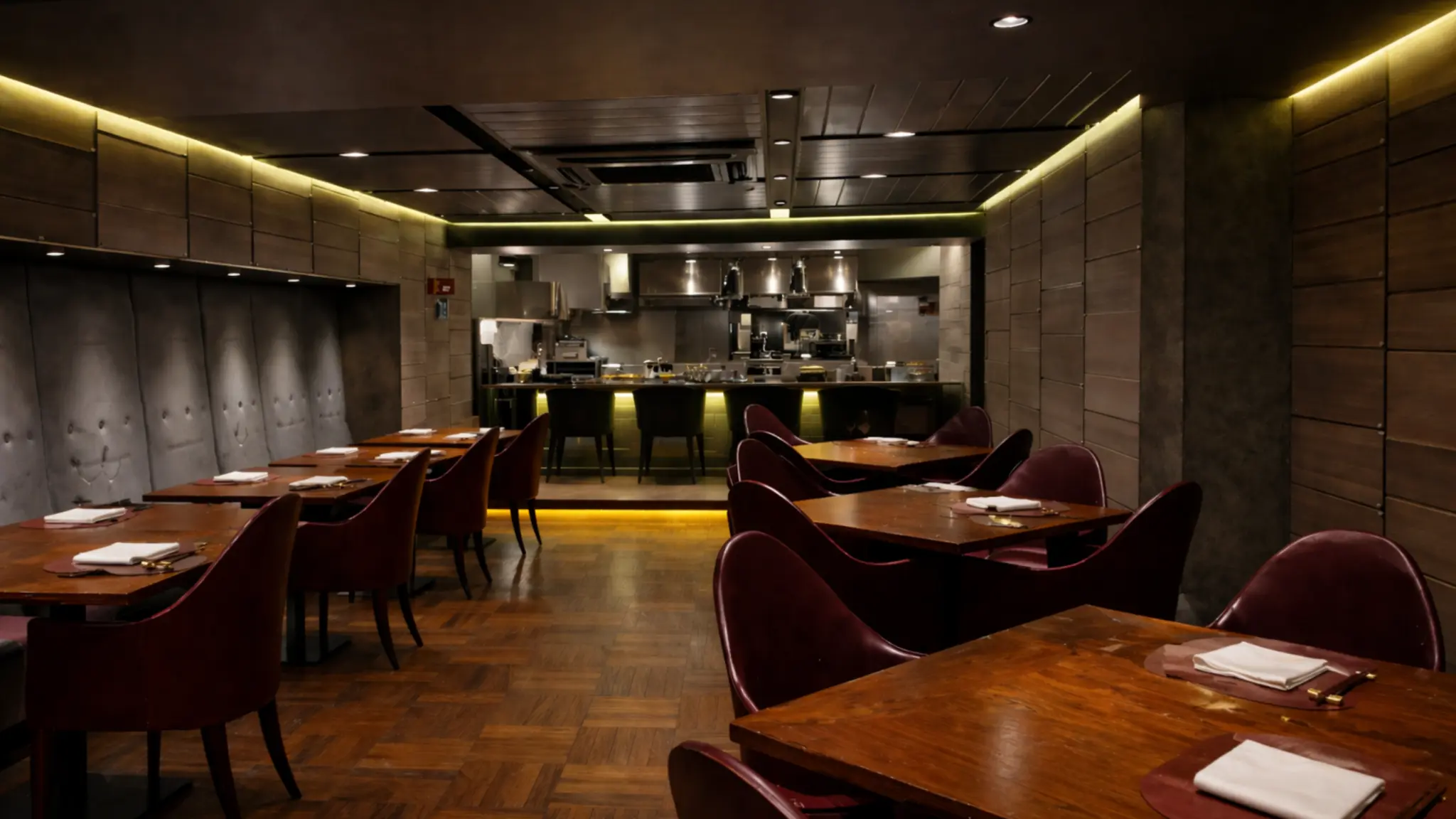
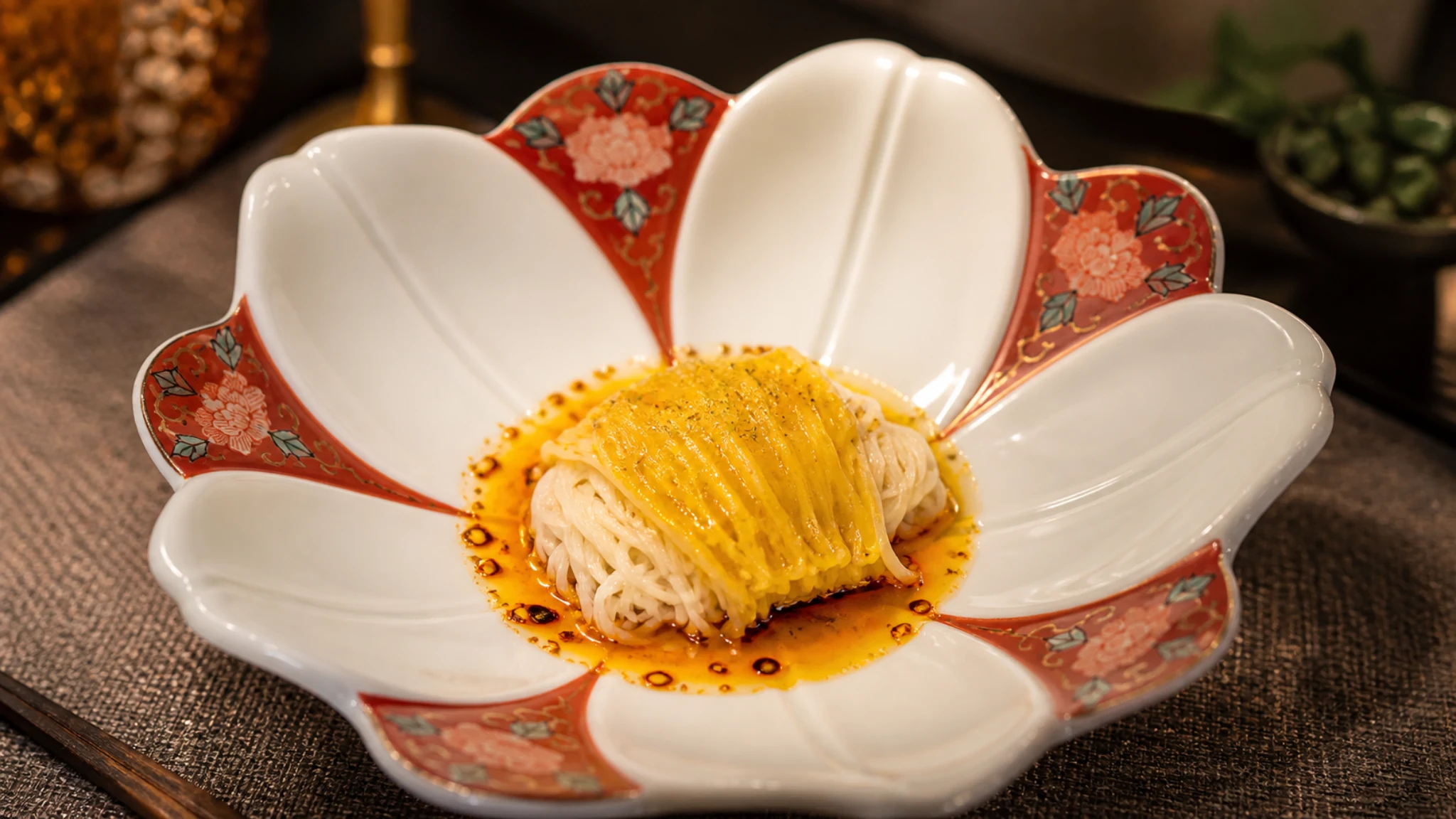
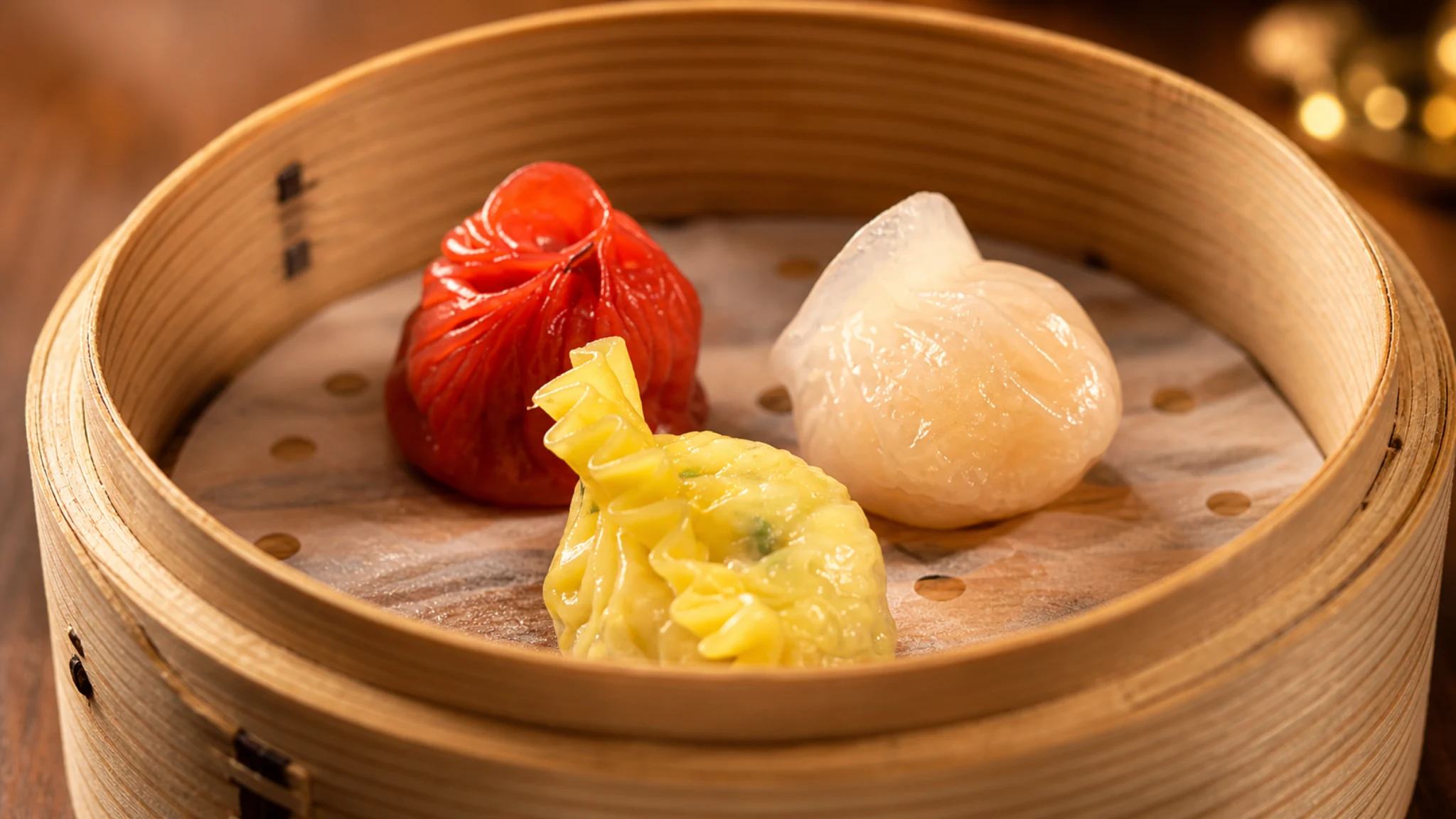
My take: Counter tasting menu inside Azabudai Hills from Chef Daisuke Kaneko, who runs the place with his wife. About twenty-six courses that move between Japanese, French, and Italian. Do the pairing for sure, the wines come from small producers and the matches make sense. The shungiku salad was the one we kept thinking about after. Sky Room Café in Azabudai Hills is upstairs for cocktails and views of Tokyo Tower.
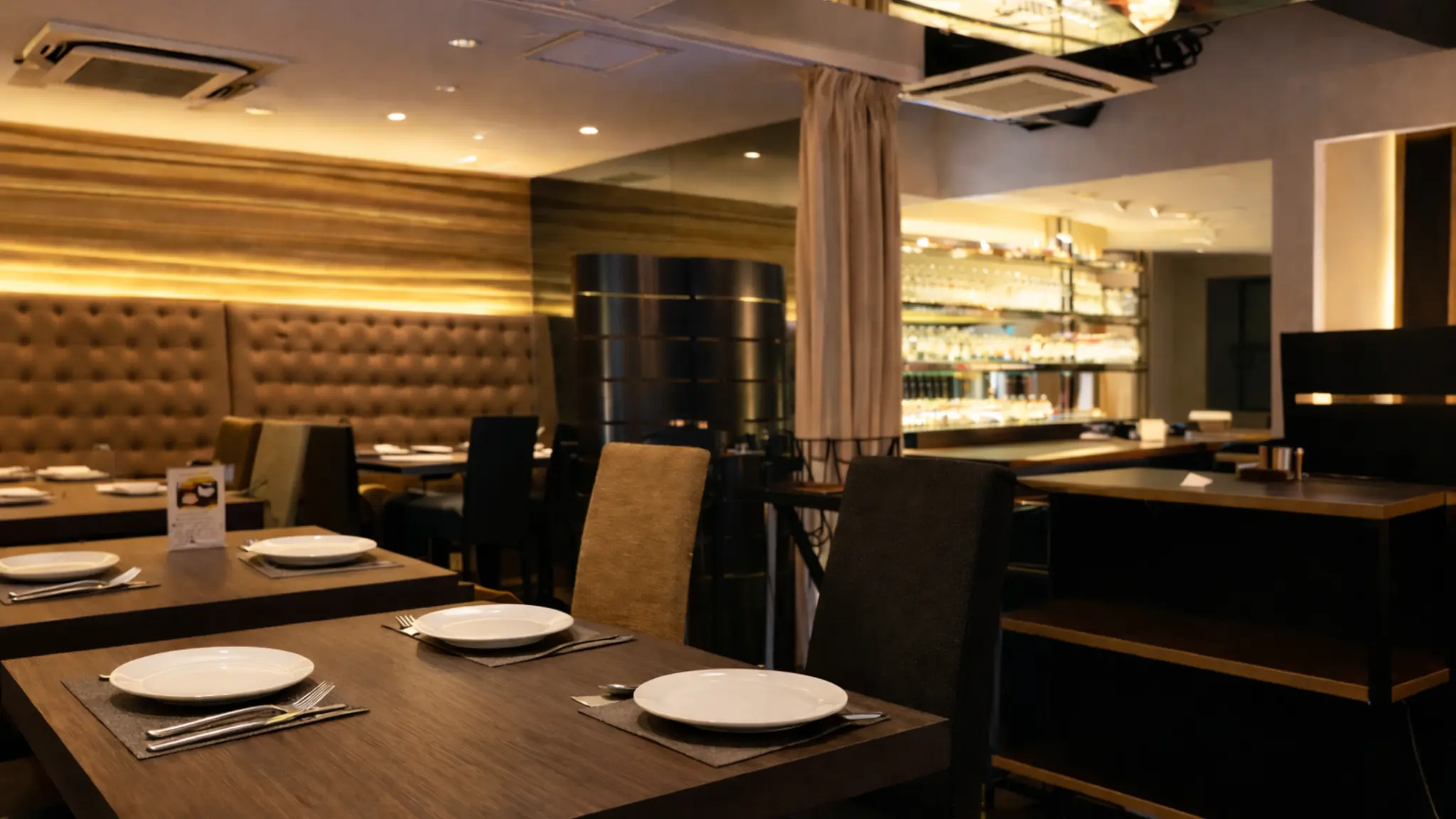
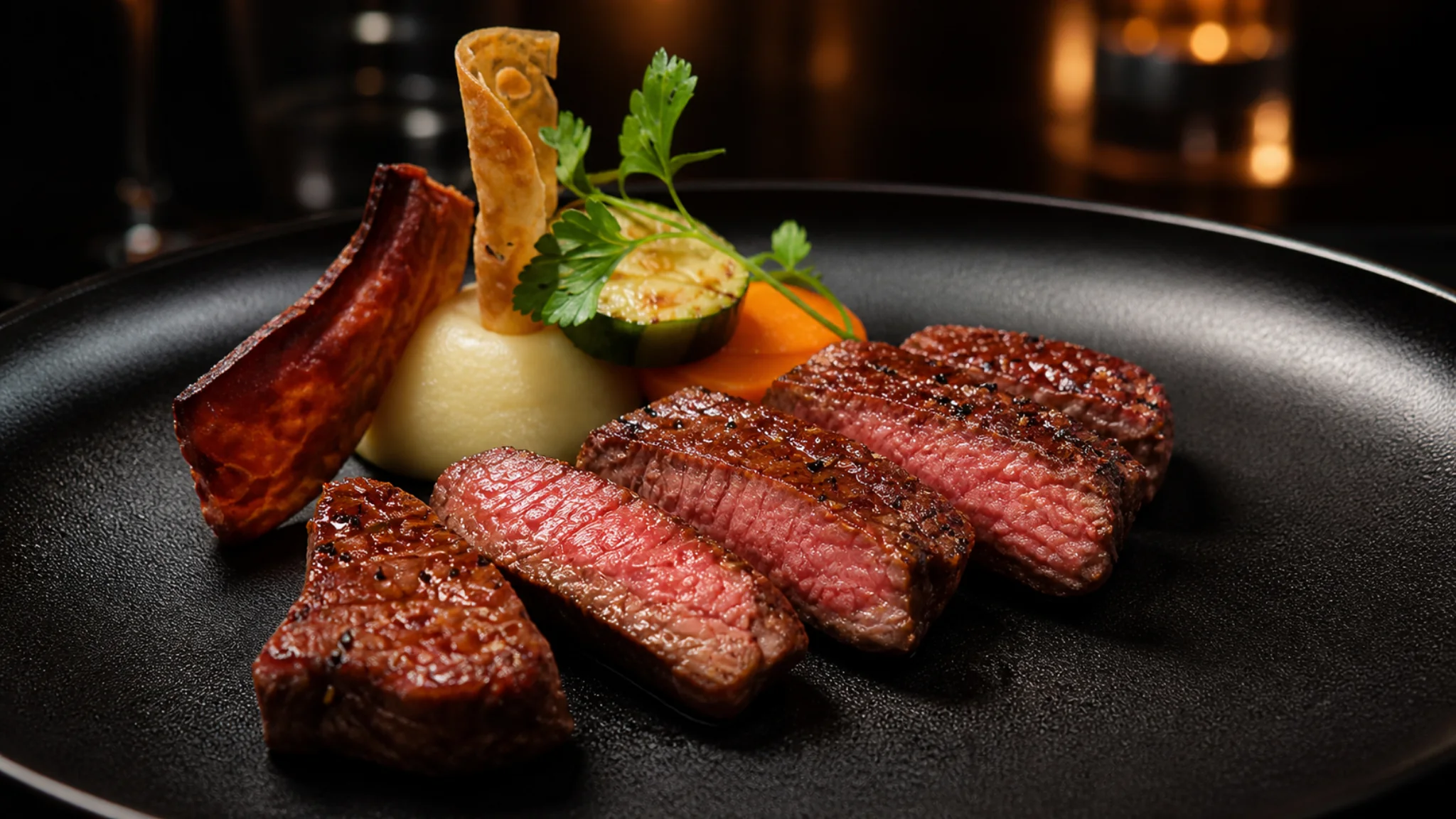
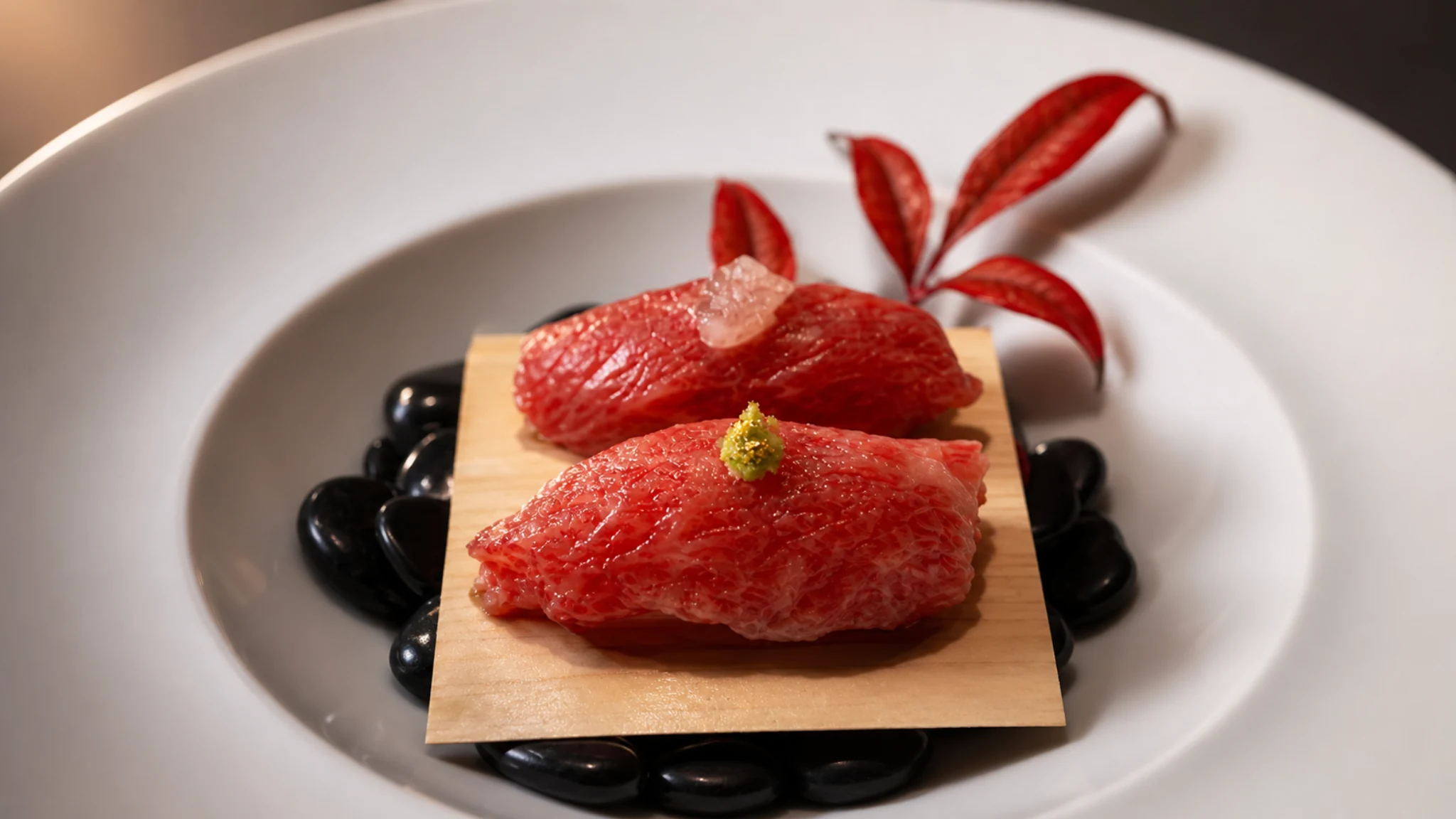
My take: Counter kaiseki in Hiroo focused on Kobe beef from a single farm, run by a chef who used to work at one of the Michelin star kaiseki kitchens in Kyoto. Around ten courses, all built around different cuts and preparations of the same cow. The marbling is unreal. Hiroo is a quiet residential neighborhood, but Nishi-Azabu has back streets of bars within a few minutes if you want a drink after.
Two more ways to eat through Tokyo, from personal favorites to casual finds and meals worth planning around.
If you are here because you are plotting your next meal, your next city, or your next excuse to book a flight, welcome. You are exactly who I made this for.
Say hi, ask a question, or just talk food. I'm always happy to hear from people who eat the way I do.